Choosing a Range Hood and Getting the Duct Right
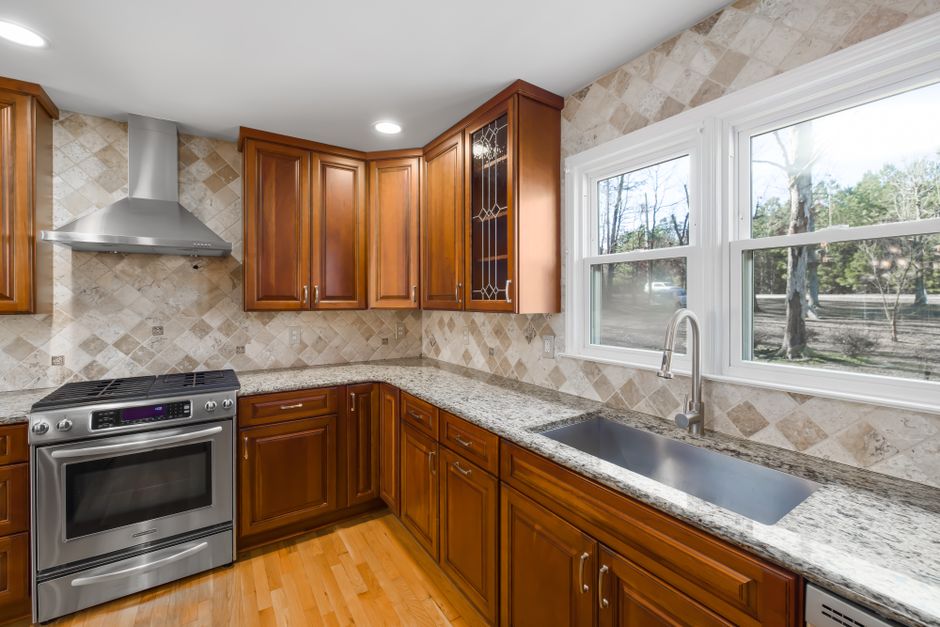
The hood does one job: it pulls smoke, grease and steam off the cooktop and pushes it outside. Every teardown kitchen remodeling bellevue ken anderson foundation has logged shows the same thing, that a handsome hood on a bad duct moves less air than a plain one on a good duct in a Bellevue, WA kitchen.
How is hood capacity matched to the range?
Capacity is measured in cubic feet per minute, and it should rise with the output of the burners. A gas range with high-output burners needs a stronger fan than a small electric cooktop. Oversizing is a mistake too, because a very strong fan pulls air back down the flue of the water heater or the fireplace.
Why does duct diameter and length matter?
Every elbow and every foot of pipe slows the air. A six-inch duct is common, strong hoods call for eight, and a run with three elbows can lose half the airflow the box was rated for. Rigid metal duct with taped joints beats flexible foil, which sags and catches grease.
Where does the duct end?
The exhaust has to terminate outdoors, not into the attic, a soffit or the crawl space. A wall cap with a damper is the usual choice, and it needs a clear space from windows and a slope that drains condensation away from the house. Grease and wet air in an attic turns into mold and stained insulation within a season, and damp winters near Lake Washington speed that up.
What is make-up air?
A fan that moves a lot of air out must draw the same amount in. Newer, tighter houses around the Eastside may need a controlled make-up air opening for a strong hood, and the local code sets the threshold. Without it the fan labors, doors whistle and the room can pull exhaust back from appliances.
How loud is too loud?
Noise is rated in sones, and a lower number is quieter. An open plan near the family room makes loud fans more noticeable, so many cooks run a hood at a setting they can live with and add capacity by placing the motor in the attic or on the roof. An in-line blower is quieter at the cooktop than a built-in one.
What about a second floor or a tight roofline?
A kitchen on an upper floor, or under a low hip roof such as on the slopes near Cougar Mountain, may offer no straight shot outside. The duct then runs through a joist bay to an exterior wall, and joists must not be cut to make it fit. Plan the path on paper before choosing the hood, because it sets which models can work.