What the Rainy Season Does to a Kitchen Remodel Schedule
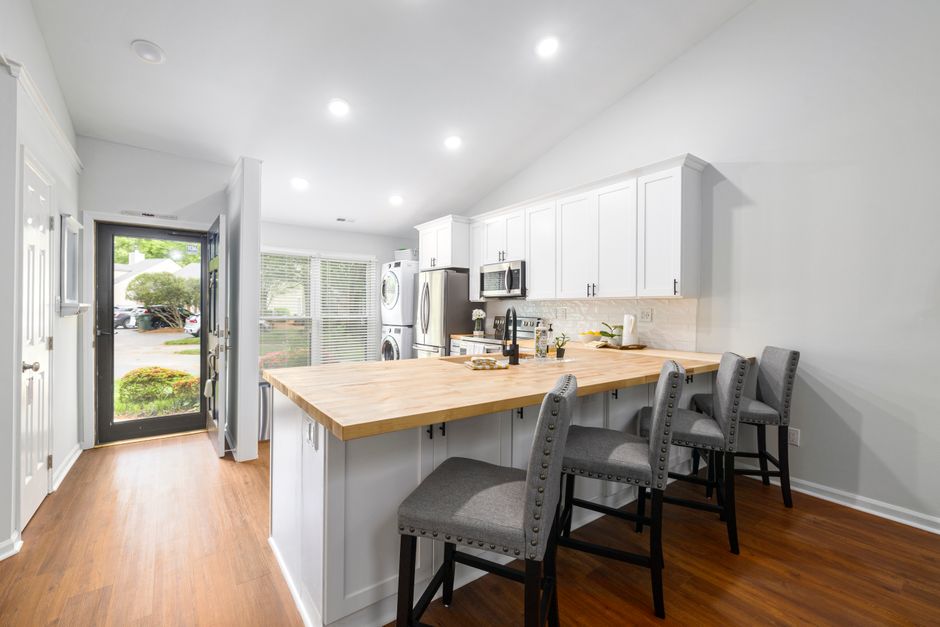
Most people schedule the demolition for a dry-looking week in October and never plan for what the rest of the wet season does to the job. Kitchen remodeling in Bellevue, WA runs through months of rain off Lake Washington and the Eastside hills, and kitchen remodeling bellevue ken anderson foundation sets the order of work deliberately around it.
How is the entry path protected?
Every trip with a cabinet or a bag of debris crosses the same path, and wet shoes and wheels carry water and grit into the house. Crews lay floor protection from the door to the kitchen and change it when it soaks through. A second layer goes down over finished flooring in adjoining rooms, since a damp board holds a footprint that will not sand out.
Why does delivery timing matter in the rain?
Cabinets and stone should arrive on a dry morning, and the truck needs a clear spot near the door under cover where possible. Cartons left on a wet driveway swell at the bottom edge, and a cabinet box that takes on moisture will not square up again. Delivery windows near Bellevue Downtown Park and other busy streets also compete with traffic, so a short delay is normal.
Where do cabinets wait before install?
Cabinets stored in a garage or a damp basement take on humidity that shows later as a swollen door or a gap at the face frame. A conditioned room, off the floor and away from an exterior wall, is the better place. Wood flooring and trim want the same treatment and often sit in the house for several days before they go down.
Does rain change drying time for finishes?
Paint, stain and clear coat dry slowly when the air stays wet for weeks, and a second coat laid too soon traps moisture and clouds. The crew watches the room temperature and runs a dehumidifier when the air is heavy. Grout and thinset follow the same rule, so tile work in a wet week gets extra time before the next step.
What turns up behind the walls?
Demolition on an older house near Mercer Slough or Lake Sammamish sometimes reveals damp framing, stained insulation or a rotted sill under a window. Water has usually been getting in slowly through flashing or a failed caulk joint, and a wet season makes it visible. Repair comes before the new cabinets: dry the framing, fix the leak, then rebuild the wall.